
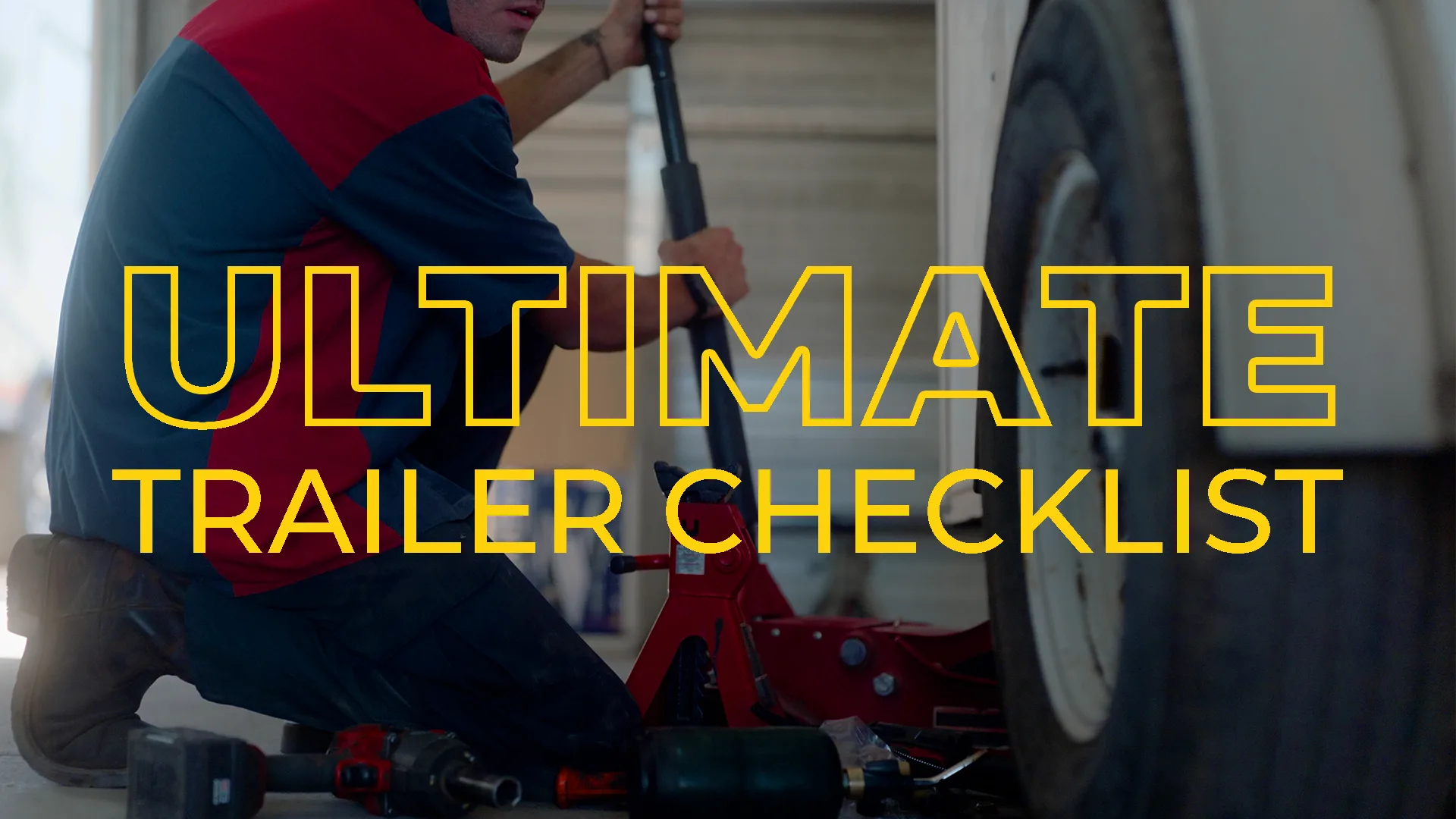
The Ultimate Trailer Checklist Before Summer Projects
Summer is the peak season for home projects, landscaping, contracting work, and hauling materials. RV’s, Campers, and Utility trailers get heavy use after sitting through winter, and small issues can become big problems once loading and hauling start. This trailer checklist helps ensure your trailer is safe, road-ready, and efficient before the busy summer season begins.
Why Pre-Summer Trailer Prep Matters
Summer brings warm weather and an increased workload. You’ll be taking more trips, hauling heavier materials, and traveling longer distances. This can cause wear on your trailer, especially if it wasn't properly winterized. If the trailer wasn’t used in the winter, upon bringing it out of winter storage, you may notice rust, flat spots on tires, dry bearings, and electrical corrosion. Addressing this before frequent use is the safe choice. Proper prep reduces the risk of accidents, breakdowns, and cargo loss. A quick inspection can make the difference between a smooth project and an unexpected breakdown. Let’s get into the trailer checklist you need before a busy summer season.
Full Structural Inspection
Your trailer’s frame and structure carry the weight of everything you haul, so this is the best place to start your trailer checklist. Even minor damage can become a major safety issue when the trailer is loaded down or traveling at highway speeds. A careful walk-around inspection helps you catch early signs of wear, rust, or stress before they turn into costly repairs or unsafe road conditions.
- Look for cracks, rust, or weak weld points.
- Pay special attention to stress areas near axles and the hitch.
- Check for rot (wood decks), warping, or loose boards.
- Inspect metal decks for corrosion or holes.
- Tighten bolts, brackets, and mounting points.
- Replace any missing or stripped hardware.
- Ensure smooth operation and secure locking.
- Lubricate hinges and moving joints.
Tires and Wheels Checklist
Tires are among the most common points of failure on utility trailers, especially after exposure to temperature changes and inactivity. Before summer hauling begins, it’s important to make sure your tires are properly inflated, free of damage, and ready to handle heavier loads and hotter pavement.
- Inflate tires to manufacturer specifications before the first load.
- Look for uneven wear patterns and low tread depth.
- Check for dry rot or cracking, which is especially common after winter storage.
- Re-torque wheels and lug nuts to manufacturer specifications before heavy hauling.
- Inflate and inspect the condition of spare tires.
Breaks and Bearings (if equipped)
Bearings and braking components are especially vulnerable to wear after long periods of storage or limited use. Before you start hauling this summer, it’s important to confirm everything is lubricated, responsive, and functioning smoothly to avoid performance issues when you need stopping power most.
- Ensure consistent braking response.
- Look for corrosion or disconnected wires.
- Grease or service wheel bearings before the season starts.
- Check for signs of noise or overheating in wheel bearings.
- Inspect axles for leaks, rust, or damage.
Electrical System and Lighting
Proper lighting and electrical function are essential for safe towing. A full test of your lighting system ensures other drivers can see your movements clearly and keeps you compliant and safe on the road.
- Test all lights (brake, turn, running)
- Check for frayed wires or exposed sections.
- Clean plug corrosion and ensure a tight connection.
Hitch, Coupler, and Safety Chains
Your hitch system is the critical connection between your vehicle and your trailer, making it one of the most important safety checkpoints. If the coupler isn’t secured correctly or the hitch components are mismatched, it can create serious towing hazards.
- Must fully engage and secure onto the hitch ball.
- Confirm the correct size and rating of the hitch ball.
- Ensure proper safety chain crossing and attachment.
- Test the breakaway system's functionality before the first haul.
- Test Brake away battery.
Load Capacity and Weight Distribution
Even a well-maintained trailer can become unsafe if it’s overloaded or improperly balanced. Understanding your trailer’s weight limits and distributing cargo correctly helps reduce strain on the axles, improve braking performance, and minimize trailer sway.
- Review GVWR and payload ratings.
- Balance payload distribution to prevent trailer sway and axle stress.
- Check the tongue weight balance for better stability.
- Ensure tie-down anchors are strong and intact.
Cleaning and Maintenance Prep
A thorough cleaning combined with basic maintenance helps extend the life of your trailer and keeps it performing at its best throughout the busy season.
- Wash the trailer thoroughly to remove dirt, salt, and debris buildup.
- Touch up paint and apply protective coatings to prevent rust.
- Grease hinges, jacks, and moving parts.
Essential Summer Add-Ons
Having the right gear on hand can make a major difference when you’re on the road or on a job site. Small issues are much easier to handle when you’re prepared. Keeping essential tools and safety equipment in your trailer ensures you can respond quickly to common problems without delaying your project or risking unsafe conditions.
Recommended gear:
- Extra ratchet straps
- Wheel chocks
- Spare bulbs/fuses
- Basic tool kit
- Jack and lug wrench
- Portable air compressor
- Emergency roadside kit
Pre-Trip Safety Check Routine
Even after your initial seasonal prep, a quick walk-around before every haul is one of the best habits you can build.
Before every haul:
- Walk-around inspection
- Light check
- Tire check
- Hitch confirmation
- Load secure
- Brake Check
When to Get Professional Service
While regular owner inspections are essential, there are times when professional service is the safest and most effective option. A trained technician can identify issues that aren’t always visible. These are the times when professional service makes sense:
- Before peak hauling season begins
- After long periods of storage
- If you notice vibration, noise, or uneven wear
- Before hauling heavy or expensive loads
Getting ahead of repairs before peak hauling season ensures your trailer is ready for consistent, heavy use without interruption.
A Little Prep Goes a Long Way
A trailer checklist is the easiest way to avoid major repairs, breakdowns, and safety concerns. This isn’t just a one-time prep for summer—consistency with inspections and maintenance keeps your trailer performing at its best. Schedule an annual trailer inspection at Parker Trailers.